
Enjoy your stay while adopting environmentally friendly habits
Transport, daily travel, shopping and dining… Here are a few simple habits to adopt so you can make the most of your destination whilst minimising your environmental impact and showing respect for the local community.

Getting to the airport or railway station
That’s it – you’re ready to go, suitcase in hand. Right from the start, there are a few sustainable habits you can adopt.
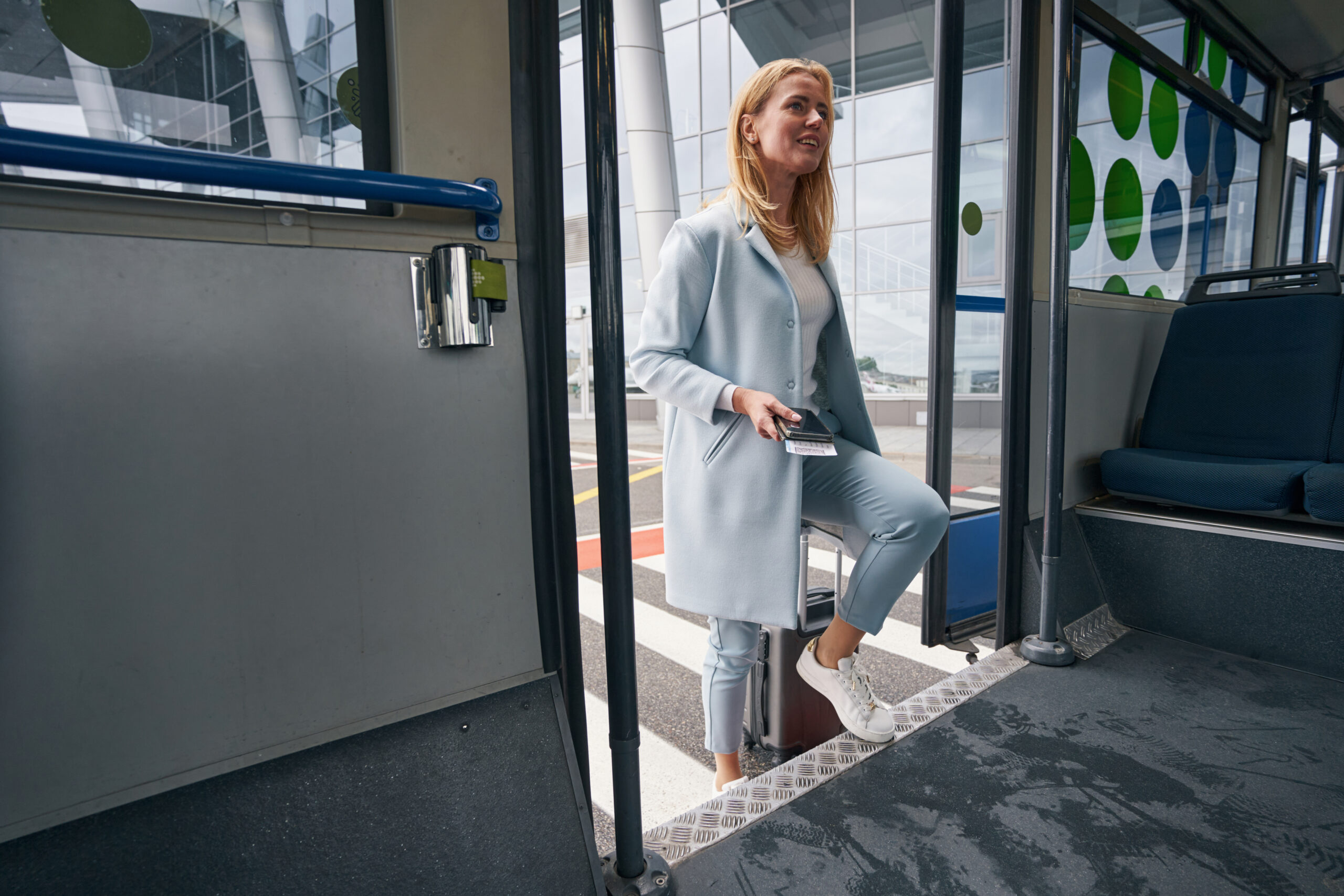
In most major European cities, shuttle buses, express buses or dedicated trains link the city centre to the airport or railway station. These options are convenient, fast and often cheaper than travelling by private car. Particularly when you take into account the sometimes very high cost of airport and railway station car parks, as well as the cost of fuel. Choosing public transport also helps to reduce traffic congestion and transport-related emissions.
Getting around during your stay: prioritise sustainable transport
Rent an electric vehicle if you absolutely need a car
If you’re exploring the local area by car, opt for an electric or hybrid vehicle wherever possible. Many car hire companies in Europe now offer this type of vehicle, particularly in tourist areas. Electric scooters can also be a practical option for short journeys.
Driving abroad, however, requires some preparation. Traffic rules can vary from one country to another. Think about speed limits, compulsory equipment for the car, low-emission zones, and specific rules of road prioritiy …
Using public transport
In cities, the underground, bus or tram are often the simplest and most efficient ways to get around. Consider buying multi-day travel passes, which are often much better value than buying single tickets.
You should also be aware that some cities in Europe have made their public transport free! The city of Montpellier, for example, offers free buses and trams to its residents. In Luxembourg, transport is free throughout the country, for residents and tourists alike.
It’s also a great way to explore the city at the same pace as its residents.
Walk or cycle whenever possible
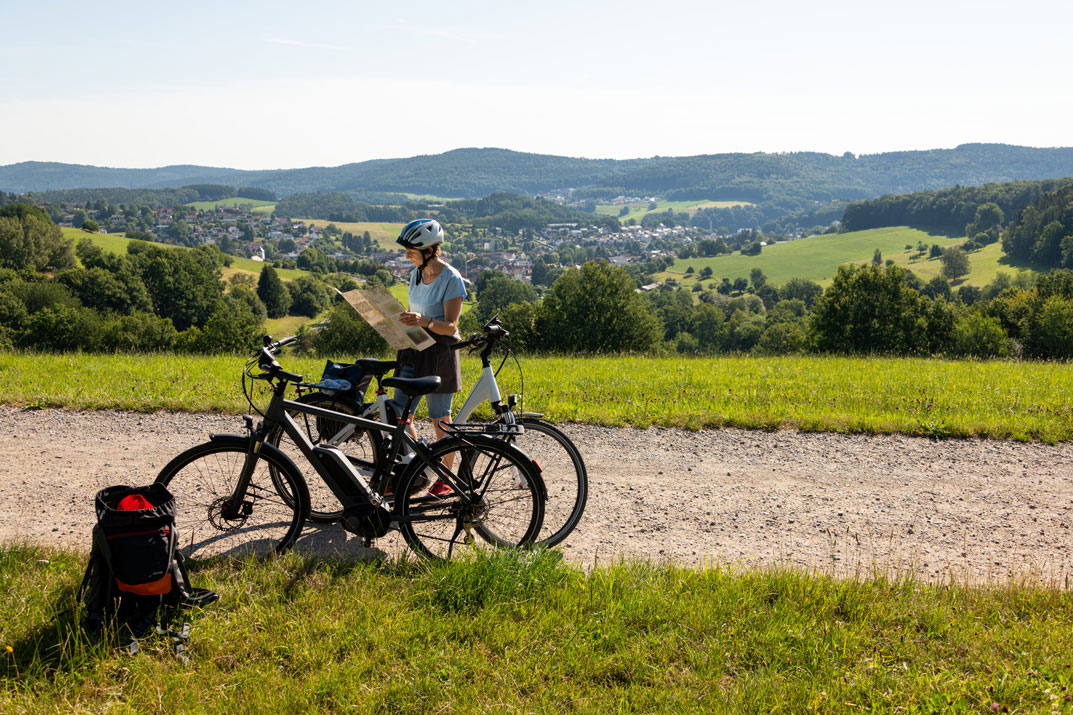
Walking is still the best way to explore a city at your own pace. For slightly longer journeys, you can use bike-shares and electric scooters. These are easy to find in European cities. There are generally two types: fixed stations, where vehicles must be picked up and dropped off at specific points, and so-called “free-floating”, where you can leave bikes and scooters in authorised areas via an app.
Rent a bike or a scooter
Before using these services, it is important to check the renting terms and conditions. These include registration procedures, whether insurance is included, local traffic regulations and authorised parking areas… In some cases, the operator may ask you to provide proof of identity, a bank card or a deposit. Prices also vary significantly depending on the city, the operator and the duration of use.
Whilst riding, traffic regulations apply just as strictly as they do for other road users. E-scooters must generally use cycle lanes where they are available. It is forbidden to ride on pavements or for two people to ride on the same scooter. Wearing a helmet is not always compulsory, but it is still recommended for safety reasons.
Care must also be taken when parking. In free-floating systems, incorrect parking can obstruct pedestrians or block public spaces. Apps often specify designated drop-off areas. Some operators may charge a fee if these rules are not followed.
Finally, as with any rental service abroad, check the insurance terms offered by the operator. In most cases, users are covered for damage caused to third parties. However, cover may vary depending on the provider and the country. Read the terms and conditions before use to avoid any unpleasant surprises in the event of an accident or dispute.
Some initiatives by European cities
Some cities regularly adjust their bike-sharing systems. This is done to better manage public space, reduce conflicts of use on pavements or reorganise transport services. In Barcelona, for example, the city council phased out app-based bike-sharing on 1 January 2026. In Brussels, all free-floating bikes and e-scooters must be removed by 1 September 2026.
Copenhagen and Berlin reward tourists who demonstrate considerate travel behaviour. In 2024 and 2025, the Danish capital offered various benefits to tourists travelling by train or bicycle. For example: free bike hire or discounts on the city’s main attractions. From 14 May to 14 June 2026, the German capital rewarded tourists and Berliners who cycled, used public transport or took part in cleaning up the River Spree. The city offered free museum tickets, drinks or water sports activities as rewards.
If you’re coming by car, use park-and-ride facilities
To avoid congestion in town centres, make use of the park-and-ride facilities located on the outskirts. These allow you to leave your car safely at the edge of town. You can then travel into the centre by public transport, all at very affordable prices.
Shopping, dining and respecting the local area: enjoy your stay responsibly
Eating locally and discovering the country’s cuisine
Make the most of your stay by discovering the local cuisine! Neighbourhood restaurants, family-run cafés and local markets offer a more authentic experience than international chains. Why not step out of your comfort zone and try some seasonal specialities and regional produce?
Tourist guides and specialist websites often list these hidden gems. Also keep in mind communal dining spots and restaurants that sell their unsold stock at bargain prices at the end of the day.
You can also check online forums for recommendations. But be careful not to get caught out by all those little “Instagram” cafés! Besides the queue, you’ll end up paying a fortune for a drink or a dish with sometimes no merit other than its appearance.
Buying souvenirs: prioritise local crafts
Holidays are often an opportunity to discover new products and bring back a few souvenirs. Here too, the choices you make can make all the difference. When shopping, prioritise small shops run by local artisans, craftspeople or designers. In this way, you directly support the local economy whilst bringing back a souvenir that is often more authentic and more durable.
Ceramics, handcrafted jewellery and textile creations often make better souvenirs than mass-produced, imported items.

Respect natural areas and heritage sites
Whether you’re visiting a beach, a nature reserve or a historic monument, please follow the rules displayed on site. This means, for example, staying on the marked paths and not taking any natural items away. Avoiding feeding wild animals or leaving litter behind helps to preserve these sites for future visitors.
Tips :
- Keep your waste with you when there are no bins available, particularly in natural areas. Do not leave anything behind in natural areas!
- Conversely, do not take sand, shells, stones or plants where this is prohibited. Preserving these areas helps to maintain not only their environmental quality but also their appeal to local residents and future visitors.
In certain popular destinations, the behaviour of just a few individuals can have significant consequences when it is replicated on a massive scale by thousands of visitors.
Respecting local people and customs
Responsible tourism also applies to the way in which visitors interact with the areas they are visiting. Before setting off, it may be useful to find out about local customs, rules of conduct or any restrictions in force. More sustainable tourism also relies on a respectful attitude towards local communities. This involves, in particular:
- Respecting etiquette, traditions and people’s living spaces.
- Behaving discreetly in residential areas and being mindful of residents’ peace and quiet.
- Respecting protected areas and marked trails.
Many European cities have recently tightened their regulations in order to limit the negative impacts of mass tourism. The aim is to strike a better balance between welcoming visitors and maintaining residents’ quality of life. Travellers also have an important role to play in achieving this balance.
Prague, for example, is considering introducing restrictions on late-night party tours in the historic centre. In Portugal, some beaches have banned the use of loudspeakers. In Spain, Seville is taking action against disruptive behaviour in public spaces.
Managing water, energy and waste
Drinking water and energy are precious resources, and can even be scarce in some tourist regions. During your holiday, there are a few simple steps you can take to reduce or limit your consumption of these resources, without compromising on your comfort.
Conserving water resources
- Avoid changing towels every day unless necessary.
- Minimise wasted water when showering, but always choose a shower over a bath.
- Turn off the tap whilst brushing your teeth or shaving.
Reducing your energy consumption
- In your accommodation, remember to switch off the air conditioning, heating and lights when you leave the room.
- Close the windows when the air conditioning is running.
- Unplug electronic devices and chargers that are not in use.
- Where possible, choose accommodation that is committed to environmental sustainability or has a recognised eco-label.
Good to know: many establishments are now installing more energy-efficient equipment. Examples include: energy-saving lighting, rainwater harvesting, solar panels and water-saving systems.
Sort and reduce your waste
- Where waste sorting facilities (plastic, paper/cardboard, glass, organic waste) are available, take a few minutes to find out about local guidelines. Sorting rules can vary from one country to another, or even from one town to another. Compost your food waste if your accommodation offers this option.
- Keep your reusable water bottle on hand, and top it up regularly. Choose reusable products over disposable items, such as plastic bottles.
- Avoid food waste. Producing, transporting and storing food uses significant amounts of water and energy.
- Take a reusable bag with you for your everyday shopping.
You might also be interested in
Funded by the European Union. Views and opinions expressed are however those of the author(s) only and do not necessarily reflect those of the European Union or the European Innovation Council and Small and Medium-sized Enterprises Executive Agency (EISMEA). Neither the European Union nor the granting authority can be held responsible for them.
Was this article helpful?

